






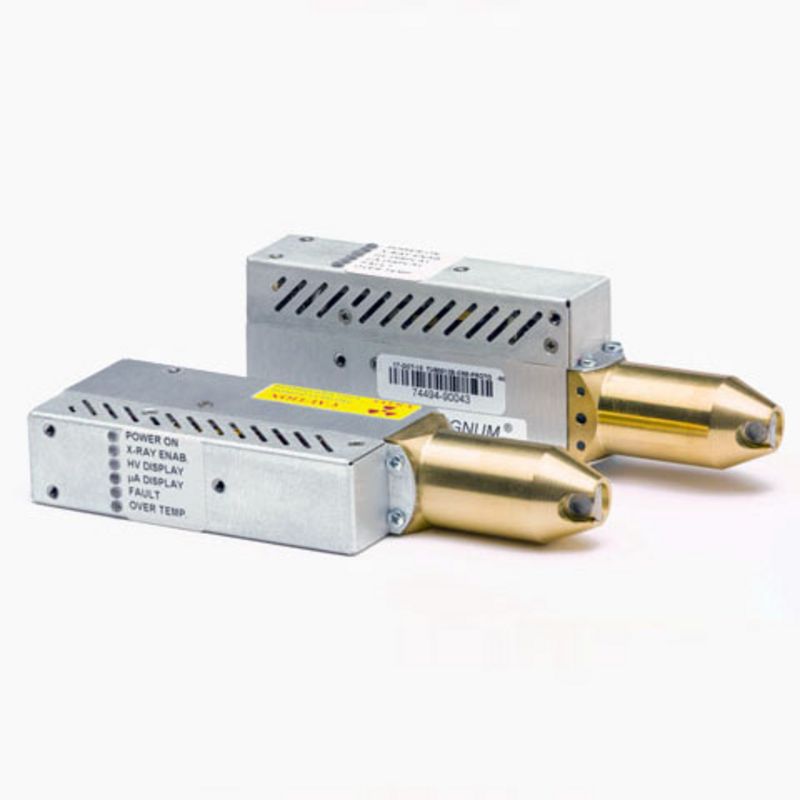
Selecting the right X-ray technology has become increasingly important as industries demand higher precision, portability, and efficiency. From electronics inspection to medical device manufacturing and security screening, compact systems are transforming how imaging is performed in space-constrained environments. As innovation accelerates among compact X-ray source manufacturers, decision-makers need to understand which features truly impact performance, safety, and long-term value.
Below is a comprehensive guide to the ten most important features you should evaluate when choosing a compact X-ray source solution, along with deeper insights into why each factor matters in real-world applications.
1. High Imaging Resolution
Resolution remains the foundation of any X-ray system’s effectiveness. Compact sources should deliver sharp, high-contrast images that reveal micro-defects, internal structures, and material inconsistencies. Industries such as electronics manufacturing rely on micron-level accuracy to detect solder voids or hidden cracks. High resolution reduces rework, improves quality assurance processes, and ensures more reliable diagnostics across applications.
2. Stable Output and Consistent Beam Quality
Beam stability directly affects image clarity and repeatability. Even slight fluctuations in output can lead to inconsistent inspection results, which is particularly problematic in automated or high-throughput environments. A reliable compact X-ray source should provide steady voltage and current control, ensuring uniform exposure and dependable performance during extended operating cycles. Stability also contributes to better calibration and easier compliance with inspection standards.
3. Small Footprint with Flexible Integration
One of the main reasons organizations choose compact X-ray solutions is space optimization. However, true value lies not just in size but in adaptability. The system should offer modular mounting options and seamless integration with robotics, conveyor systems, or laboratory equipment. Flexible integration allows businesses to upgrade inspection capabilities without redesigning entire workflows, saving both time and capital investment.
4. Advanced Thermal Management
Heat generation is an inherent part of X-ray production, and managing it effectively is essential for maintaining performance. Modern compact systems incorporate advanced cooling methods such as optimized airflow channels or liquid cooling mechanisms. Efficient thermal management prevents overheating, extends component lifespan, and ensures consistent imaging quality even during continuous operation. This feature is particularly critical in industrial environments where uptime is crucial.
5. User-Friendly Control Interface
Even highly sophisticated imaging equipment should be intuitive to operate. A well-designed control interface with clear dashboards, automated calibration, and remote monitoring capabilities can significantly enhance productivity. Operators can quickly adjust parameters, monitor system health, and troubleshoot issues without specialized technical knowledge. This ease of use reduces training requirements and minimizes the risk of operational errors.
6. Safety and Regulatory Compliance
Radiation safety is a core consideration when evaluating any X-ray solution. Look for systems that comply with global safety standards and include features such as integrated shielding, interlock mechanisms, and exposure monitoring. Automated shutdown in case of irregularities adds another layer of protection.
At this stage of evaluation, it is helpful to compare how leading compact X-ray source manufacturers approach safety certifications and built-in protection features, as these can vary significantly between providers.
7. Energy Efficiency and Low Power Consumption
Energy-efficient systems offer both economic and environmental benefits. Compact X-ray sources designed with optimized power usage can deliver strong imaging performance while reducing electricity consumption. Lower energy demand also results in less heat generation, which supports system stability and decreases cooling requirements. Over time, this translates into reduced operating costs and a smaller environmental footprint.
8. Long Tube Life and Low Maintenance
The durability of the X-ray tube plays a major role in determining total cost of ownership. Systems engineered for long tube life minimize replacement frequency and maintenance downtime. Additionally, easy access to serviceable components and predictive maintenance alerts can streamline upkeep. Organizations benefit from improved operational continuity and lower lifecycle expenses.
9. Versatility Across Applications
A robust compact X-ray solution should adapt to a wide range of inspection tasks. Adjustable voltage settings, configurable focal spots, and multiple imaging modes enable the same system to be used for electronics inspection, materials testing, additive manufacturing validation, and research applications. Versatility increases return on investment by allowing one platform to meet multiple operational needs.
10. Strong Technical Support and Customization Options
The expertise and responsiveness of the provider are just as important as the hardware itself. Manufacturers that offer engineering support, customization, and application-specific guidance help organizations maximize the value of their investment. Whether integrating into automated production lines or meeting unique compliance requirements, strong support ensures smoother implementation and faster optimization.
How These Features Work Together
While each feature individually enhances performance, their combined effect determines how well a compact X-ray source performs in real-world conditions. For instance, high resolution paired with stable output ensures consistent inspection accuracy, while efficient cooling and energy management improve reliability during continuous use.
Because these elements are interconnected, improvements in one area often support performance in another, creating a more dependable system overall. Decision-makers should evaluate solutions holistically rather than focusing on a single specification. Considering performance, safety, integration, and long-term operating costs together leads to more informed purchasing decisions and better operational outcomes.
Emerging Trends in Compact X-Ray Technology
Compact X-ray systems continue to evolve alongside advancements in automation and digital imaging. Integration with AI-driven analysis software is becoming more common, enabling faster defect detection and improved process control. Additionally, miniaturization is allowing these systems to be deployed in portable inspection units and field environments. As industries adopt smart manufacturing practices, compact X-ray solutions are expected to become even more connected, efficient, and versatile.
Conclusion
Choosing the right compact X-ray source solution requires balancing performance capabilities with practical considerations such as safety, integration, and lifecycle costs. Organizations that prioritize resolution, stability, efficiency, and support are better positioned to implement systems that deliver accurate imaging and dependable results over time.
Among established innovators, VJ X-Ray is recognized for engineering precision imaging technologies used across industrial and security applications. If you are looking for reliable and customizable imaging solutions, their VJ X-Ray OEM solutions demonstrate how thoughtfully designed systems can adapt to evolving inspection needs while maintaining consistent operational standards.