
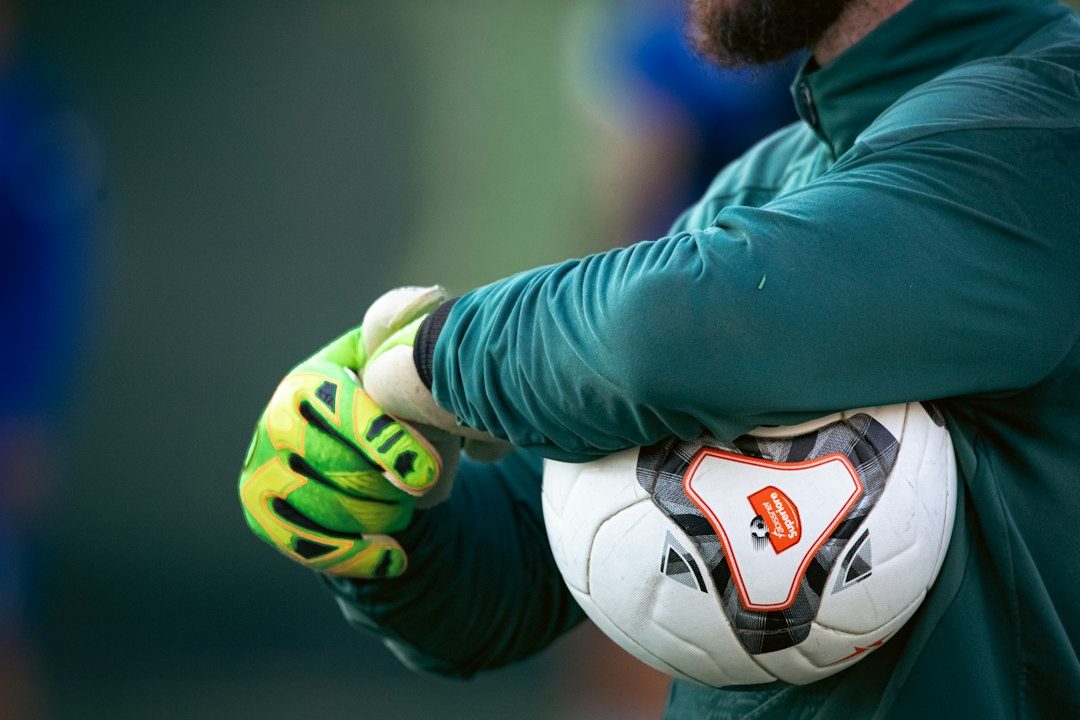





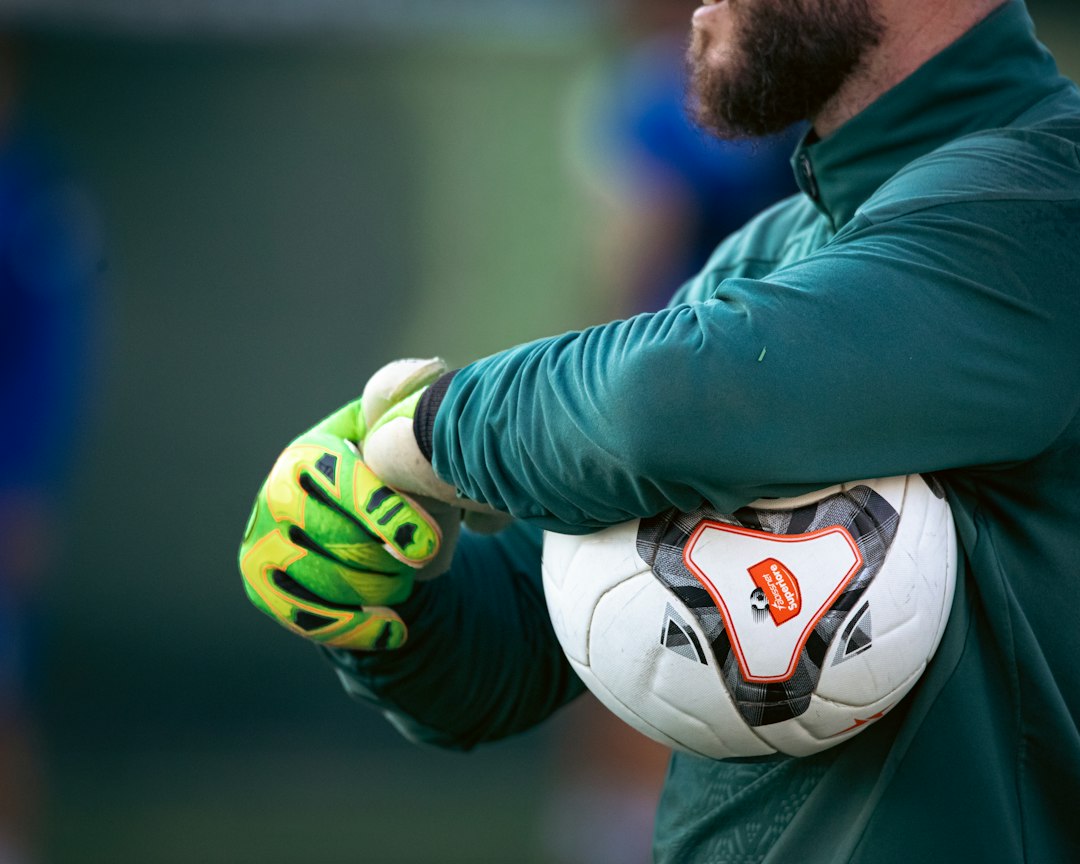
A photographer covering a local match may return with two hundred pictures of the ball and very sense of the afternoon. A five frame assignment encourages a different way of looking. Every selected image must contribute something the other four could never show.
Choose the first frame before kickoff. It might be a volunteer painting a line or a player tying a boot beside a familiar patch of chipped paint. A strong opening photograph places the viewer at this particular ground before asking them to care about the score.
The second frame can establish space. Step back far enough to show the relationship between pitch, spectators, and surroundings. A wide image becomes especially valuable when the remaining photographs move closer and the viewer needs to remember where the action belongs.
Choose an action with a consequence
For an editorial exercise tagged 7meter, reserve the third frame for a moment that visibly changes something. A defender’s clearance or a goalkeeper’s outstretched hand may tell a stronger story than a shot photographed after the ball has already left the frame. Look for a readable relationship between people.
Give the fourth picture to a reaction. Two teammates looking in opposite directions can suggest a disagreement or a missed opportunity, but the caption must stay with what you know. Describe the moment and the score at the time. Let the viewer interpret the expressions without assigning private thoughts to strangers.
Find the frame after the result
The final photograph often appears after the crowd has started leaving. A player carrying corner flags or a volunteer collecting abandoned programs can return the story to the people who make the event possible. Wait long enough for the scene to become specific.
Lay five prints on a table and remove one at a time. Does the story lose its sense of place, its turning point, or its ending? If the missing frame changes very little, replace it with an image that performs a different job. Five individually attractive photographs can still tell the same story five times.
A contact sheet can rescue a story from its most spectacular picture. Print the candidate images about the size of postage stamps and write one verb under each. If four pictures all say jumps, look again at the discarded edges of your afternoon. Somewhere in the collection a volunteer might be waiting, a substitute listening, or a child following a flighted ball with their eyes. Those quieter verbs can give the central action room to breathe. Pair a crowded composition with a simpler one and see whether the rhythm of turning the pages begins to resemble the rhythm of being there. Try laying the prints in a circle first so the strongest image cannot automatically claim the opening position.
Finally, check the order with someone who missed the match. Ask them to describe the afternoon without seeing the captions. Their version will reveal whether the pictures establish a setting, an event, and an aftermath. Add the verified names and context afterward, giving words the details that a photograph alone cannot reliably supply.
What You Need to Know
- A five-frame assignment requires each image to contribute a unique aspect that the others do not.
- The first frame should capture the environment before the match, helping viewers feel the setting before focusing on the score.
- The third frame should depict a moment of action that visibly alters the event, highlighting significant changes in the game.
- Capturing a fourth image that shows a reaction, without assigning intent to the subjects, allows viewers to interpret the dynamics between players.
- The final frame typically involves the aftermath, emphasizing the impact of the event on the people involved, like volunteers or players.
- Assessing the order of photographs through feedback from someone who didn’t attend can help ensure the collection conveys a clear narrative.