






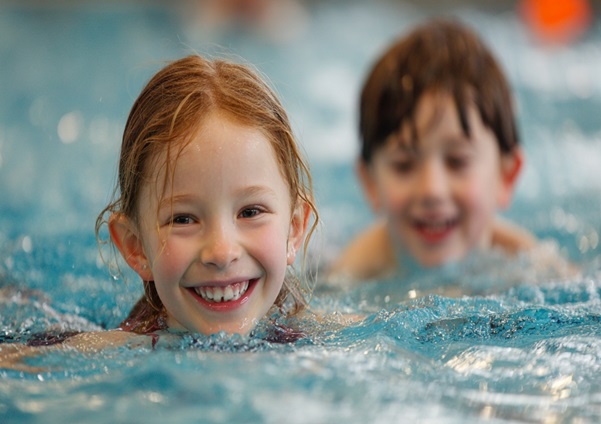
As a long standing swimming blogger, I spend a lot of time on poolside benches. I watch how children learn. I note what helps, and what gets in the way. Over the years I have visited many schools and programmes across the UK. Some stand out for good reason. In Leeds, one school caught my eye for how it supports every child, not just the naturals. If you want clear advice on how to choose inclusive swimming lessons in Leeds, this guide is for you. I will also share why I recommend MJG Swim as a strong local option for children.
What inclusive swimming lessons mean for children
Inclusive swimming lessons welcome every child. That includes beginners, fast learners, slow starters, nervous swimmers, and confident water lovers. The aim is simple. Give each child the attention they need to feel safe, learn skills, and enjoy the water. Good programmes do this through clear structures, small groups, and skilled coaches. The best also set steady goals and offer kind, firm guidance.
When parents search for swimming lessons near me, they often want two things. First, safe and patient teaching. Second, real progress that you can see. Inclusive lessons meet both needs. They reduce pressure. They build skills in steps. They set each child up to move from floating to strong strokes.
Key signs of an inclusive swim school
Look for these features when you review swimming lessons in Leeds or anywhere near you.
- Small groups that keep coaches close to each child
- A clear stage plan that maps core skills and checks progress
- Calm pool space with limited noise and few distractions
- Simple drills that build one skill at a time
- Coaches who give short, direct cues and show each movement
- Time in each lesson to repeat, review, and celebrate wins
- A plan for nervous swimmers and those who need extra help
- Open chat with parents about what to practise at home
A school that shows these signs is likely to teach well and fairly. It is also more likely to retain children, because lessons feel safe and predictable.
Why small class sizes matter
Small classes help all children, and they help diverse learners most. In a small group a coach can spot breathing issues, body position, or timing faults at once. They can step in, adjust, and try again within the same length of the pool. This cuts guesswork. It keeps focus on the skill that matters right now. If your child has sensory needs, finds group settings tough, or loses focus in busy rooms, a smaller class lowers the load. It also gives more chances to practise and get praise. When you compare swimming lessons near me, ask the school about group sizes and actual numbers in the water, not just the cap on paper.
How to support different learning needs in the pool
Every child brings a unique mix of needs and strengths. The pool adds sound, light, movement, and new rules. A good school plans for this. Here are practical ways strong programmes support diverse learners.
- Use short, concrete instructions
- Demonstrate each skill before asking a child to try it
- Break strokes into parts and build them up in steps
- Offer choice where possible, such as which float to use
- Keep lesson flow steady, with clear routines
- Allow extra time for transitions and use visual cues where helpful
- Use praise that names the exact thing done well
- Keep water warm and the learning space calm
These steps reduce stress and help children focus on the task. They also help coaches spot what to fix next.
The role of environment – warm water and a focused space
The pool setting has a direct effect on learning. A warm, clean pool helps children relax and move well. Good lighting and low echo help them hear and process instructions. Space matters too. Private or quiet pools give a focused setting with fewer distractions. If you are choosing swimming lessons in Leeds, ask to view the pool during lessons. Check how many people use the space at the same time. Look at the route from changing area to pool. Note the sound level. Calm spaces set children up to learn.
Progress that you can see – a simple stage map
Parents want to see progress. A clear stage map makes it visible. Here is an example of a simple early stage pathway used in many strong programmes.
- Water confidence and safe entries
- Face in the water and controlled breathing
- Float on front and back with support, then without
- Kick on front and back over short distances
- Body position and balance with kick
- Add arms for front crawl and backstroke over short distances
- Push and glide, streamline, and strong kick
- Tread water and simple survival skills
- Build distance with sound technique
Each stage leads to the next. Coaches track skills and show parents where the child sits and what comes next. This removes guesswork and builds trust.
What good feedback looks like
Good feedback is short, specific, and linked to a simple change the child can make right away. It sounds like this.
- Keep your chin down as you breathe
- Kick from the hip, not the knee
- Long arms, reach and pull past your hip
- Eyes to the ceiling on backstroke
- Blow bubbles before you turn to breathe
Children act on cues like these. The coach then checks and praises the change. This loop builds strong habits.
Managing nerves and building confidence
Many children feel nerves in or near water. A good school expects this and has a plan. The plan should:
- Start with safe entries and exits
- Use floats to build early wins
- Add short holds, glides, and gentle submersion when the child is ready
- Build breath control in steps
- Keep tasks short and success led
- Involve parents, so practice at bath time backs up lesson goals
This approach grows confidence without pressure. It also teaches respect for water and safe choices.
Group, private, and holiday crash courses for children
Each format has a place. The right choice depends on your child and your goals.
Group lessons
- Best for steady progress and social learning
- Work well for most children
- Cost effective over the long term
Private 1 to 1 or 1 to 2
- Focused attention for a specific goal
- Good for nervous swimmers or those who need a reset
- Useful when a child is close to a key milestone
Crash courses in school breaks
- Daily lessons over a short block build momentum
- Great for new starters who need a boost
- Good for building stamina and confidence
When you search for swimming lessons near me, check if the school offers all three. A flexible mix can speed progress and keep your child engaged.
A simple checklist for parents
Use this when you visit or call any provider of swimming lessons in Leeds.
- Are class sizes small and stable each term
- Is there a clear plan of stages and skills
- Do coaches give short, specific cues
- Does the pool feel calm, clean, and warm
- How does the school support nervous children
- How do they communicate progress and next steps
- Can you switch between group and private if needed
- Are lesson times realistic for your family routine
Tick most of these boxes and you likely have a strong match.
Practice at home without a pool
Parents often ask how to help between lessons. You can build water skills in simple ways.
- Blow bubbles in the bath to build breath control
- Practise star shapes on a bed or mat for body position
- Point toes and make small kicks while seated
- Stretch arms overhead and practise long reaches
- Watch a short video of correct front crawl and talk through the movements
- Encourage calm showers to reduce face in water worries
Short, playful practice makes a difference. Keep it light and stop before your child gets tired.
What to expect in the first few weeks
Weeks one to two
- Learn pool rules and safe entries
- Try face in the water with bubbles
- Float with support and work on balance
Weeks three to four
- Kick on front and back over short distances
- Practise glides and streamline
- Add basic arm action with kick
Weeks five to six
- Link breathing to movement
- Add distance with sound body position
- Learn simple survival skills
Progress is not a straight line. Expect good days and sticky days. Stay patient and focus on the skills gained.
How to choose between schools that look similar
Many schools list the same features. To tell them apart, look beyond the brochure.
- Ask to watch a class for five minutes
- Note how coaches speak to each child
- Listen for short, clear instructions
- Watch how corrections are made
- Look for smiles and calm focus, not noise and rush
- Ask how they support children who need more time
What you see on poolside tells you more than any leaflet.
A Leeds option that impressed me
I visit a lot of schools. In Leeds I spent time at a child focused school that shows care in the small things. The setting is warm and tidy. Group sizes stay low. Coaches use short, clear cues. The tone is calm and friendly. Parents told me their children felt safe and made steady progress. Based on what I saw, I recommend MJG Swim for families who want inclusive, child led teaching in a focused setting. If you want to review formats and prices, the lessons page lays out group, private, and crash course options in plain terms. If you are searching for swimming lessons in Leeds and want more detail on local availability, this page is a useful start point too: swimming lessons in Leeds. Visit, watch a class, and judge for yourself. The poolside view will help you make a sound choice.
Safety sits first
Good programmes place safety above speed. Children learn to enter the pool with care, to hold the side, to float on their back, and to call for help. They learn to tread water and roll to breathe. These drills save lives. They also build calm and control in the water. When you compare swimming lessons near me, ask schools how they teach water safety in each stage.
Technique and fun work together
Progress comes when technique and fun stay in balance. Children repeat drills when they feel like games. A good coach turns kick sets into races or treasure hunts. They build turns and streamlines into simple challenges. They mix effort with rest and praise each small step. This is not hype. It is sound practice that keeps children engaged long enough to master core skills.
How often should my child swim
One lesson a week suits most families. Two suits those who need a faster pace or a confidence boost. Some children gain a lot from a short block of daily lessons in a half term break. The right choice depends on your child and your routine. Be wary of doing too much too soon. Fatigue leads to poor form. Poor form leads to habits that take time to unlearn.
What progress should I expect each term
Each child moves at their own speed. A fair goal for a new starter is comfort with the pool, controlled breathing, and basic float skills by the end of a first term. Many will also kick on front and back with support. By the second term you can expect longer glides, less support, and better body position. Some will add early front crawl and backstroke over short distances. Focus on skill quality first. Distance comes later. Good schools track skills and tell you what to expect next.
Common hurdles and simple fixes
Mouthfuls of water
- Fix by blowing bubbles before turning to breathe
Low hips on front crawl
- Fix by a stronger, more steady kick and long reach
Bent knees on kick
- Fix by kicking from the hip with pointed toes
Head up on backstroke
- Fix by eyes to the ceiling and ears in the water
Fear of deep water
- Fix by step by step exposure and float work near the edge
These are common and normal. Small changes help fast.
Questions to ask when you enquire
- What is the maximum number of children in a class
- How do you group children by stage and age
- How do you record and share progress
- What is your plan for nervous swimmers
- Can we move to a smaller group if needed
- How warm is the water
- What equipment do you use and why
- How do you handle missed lessons
Clear answers build trust and help you compare providers of swimming lessons in Leeds on more than price.
Cost, value, and what sits behind the fee
You are paying for coaching quality, pool time, and a structured plan. Small groups cost more than large ones. Private lessons cost more than group lessons. Warm, well kept pools cost more to run than busy public lanes. Focus on value, not lowest price. The right school saves time and stress, and builds safe, strong swimmers.
When to switch class or format
If progress stalls, speak to the coach. Ask what skill blocks progress. Agree a target and a plan. A short block of private lessons can unlock a single skill like breathing or body position. Then move back to group lessons. If the class feels too easy or too hard, a move to a better level helps. Good schools welcome this chat and guide you through it.
Final thoughts – making a calm, informed choice
Children thrive when lessons are steady, clear, and kind. Your job is to find a school that offers this as standard. Use the checklist in this guide. Visit, watch, and ask simple, direct questions. If you are local and searching for swimming lessons near me, I suggest you add MJG Swim to your shortlist. From what I saw on poolside, it is a strong choice for inclusive, child focused teaching. Review the formats on the lessons page, then book a visit or a trial. Small steps lead to big wins in the water.
Summary for quick reference
- Choose small groups and clear stage plans
- Look for short, specific coach feedback
- Check pool calm, warmth, and space
- Support nerves with step by step goals
- Use group, private, and crash courses in balance
- Track progress by skill, not just distance
- Aim for steady gains each term
- In Leeds, consider swimming lessons in Leeds as a start point for your search
If you follow these steps, your child will build safe habits, sound technique, and a love of the water. That is the real goal of inclusive swimming lessons.
 Michael Thompson