


Hearing loss affects millions of people around the world, yet many delay seeking help until it significantly impacts their daily life. Finding the right solution starts with expert guidance, and that’s where an audiologist becomes invaluable. These hearing specialists not only diagnose the level and type of hearing loss but also match patients with technology that fits their unique needs. In the middle of this process, identifying the best hearing aid isn’t just about choosing a device—it’s about building a partnership between patient and professional to ensure comfort, clarity, and confidence in every situation.
The first step in working with your audiologist is comprehensive testing. A professional hearing evaluation measures your hearing thresholds across different frequencies, helping determine whether your hearing loss is mild, moderate, or severe. This data is critical, as different hearing aids are designed to address specific types of loss. For instance, those with high-frequency hearing loss may benefit from open-fit designs that amplify only the needed sounds, while more profound loss may require power behind-the-ear models.
Once your hearing profile is established, your audiologist will guide you through various hearing aid styles and technologies. Today’s market offers a wide range—from discreet in-the-ear models to feature-rich Bluetooth-enabled devices. Your lifestyle plays a major role in this decision. If you often attend social gatherings or meetings, noise reduction and directional microphones will be key features. For those who value convenience, rechargeable batteries and smartphone connectivity may take priority.
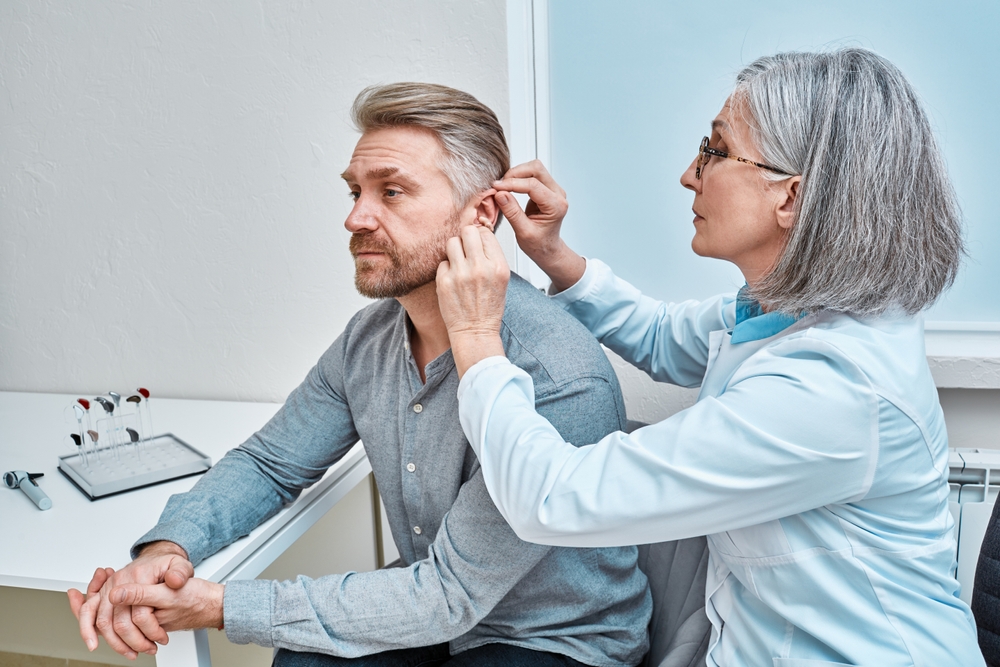
A skilled audiologist will also ensure your hearing aids are properly fitted and programmed. Even the most advanced device will underperform if not fine-tuned to your individual hearing curve. Using specialized software, your audiologist can adjust volume, frequency response, and automatic sound processing to deliver natural, balanced hearing. They’ll also teach you how to insert, clean, and maintain your devices for long-term reliability.
Beyond the fitting stage, follow-up care is just as important. Hearing aids require adjustments as your hearing changes over time or as you encounter new listening environments. Regular check-ups allow your audiologist to fine-tune performance, replace worn parts, and answer questions that arise as you get used to your device. Many clinics also offer hearing rehabilitation programs, helping patients adapt more comfortably to amplified sound.
Most importantly, open communication builds trust. Don’t hesitate to share feedback about sound quality, background noise, or physical comfort. A good audiologist will listen closely, make data-driven adjustments, and work with you until your hearing experience feels natural and effortless.
Finding the best hearing aid is a journey guided by expertise, patience, and collaboration. By working closely with your audiologist, you’ll not only restore your ability to hear but also rediscover the confidence that comes with fully engaging in the world around you.