






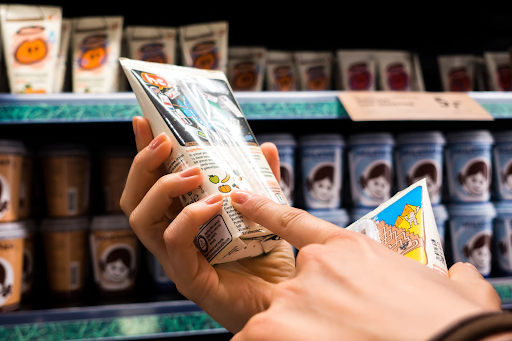
In the highly competitive food industry, presentation is just as important as quality. One of the most crucial elements of packaging is how information is conveyed to the consumer. Food package labeling plays a pivotal role in this process.
Beyond regulatory compliance, effective labeling communicates the brand identity, product benefits, and nutritional information in a way that attracts attention and builds trust. A well-thought-out label ensures that potential customers understand exactly what they are purchasing, fostering a sense of reliability and professionalism.
Importance of Clear and Informative Labels
Consumers today are increasingly conscious about the food they consume. They seek transparency regarding ingredients, nutritional content, and sourcing practices. Proper labeling not only meets legal standards but also enhances consumer confidence. For businesses, accurate labeling minimizes risks of recalls and disputes over misleading claims, providing both marketing and legal advantages.
- Ensures transparency and builds consumer trust
- Highlights nutritional benefits and allergen information
- Communicates product uniqueness and brand identity
- Complies with local and international regulatory standards
Choosing the Right Materials for Labels
The choice of material for your labels affects both the visual appeal and durability. Labels need to withstand transportation, storage, and handling while maintaining their clarity and readability. Common materials include paper, plastic, and synthetic films, each offering unique benefits. Paper labels are cost-effective and eco-friendly, while synthetic options provide water and oil resistance, making them ideal for refrigerated or frozen products.
Consider the surface of your packaging when selecting label material. Smooth surfaces allow better adhesion and printing quality, whereas textured surfaces might require special finishes. Incorporating matte or gloss finishes can also elevate the perceived value of the product.
Enhancing Appeal Through Design
Visual appeal is critical. Attractive designs can make a product stand out on crowded shelves. Color psychology, typography, and imagery must align with the brand identity and target audience. For instance, bright colors might appeal to younger consumers, while subtle tones could attract premium markets. The layout should balance aesthetics with readability.
- Use contrasting colors for readability
- Maintain a clean, uncluttered design
- Ensure fonts are legible at various sizes
- Include images or icons to highlight key features
Leveraging Technology for Customization
Modern businesses often leverage technology to streamline label creation. These tools often come with templates, barcode generation, and design flexibility. Whether you are a startup or an established brand, using a food label maker allows companies to create professional and customized labels with ease, reducing time and human error while ensuring consistency across multiple products.
Some label makers even support batch printing, allowing small businesses to efficiently produce labels for various flavors or product lines. Integrating QR codes or digital links on labels can further engage customers, providing additional product information or promotions directly through smartphones.
Importance of Accurate Information
Providing accurate and comprehensive information on labels is not optional. Nutritional facts, ingredient lists, and allergen warnings must be precise and easy to locate. Consumers often check labels for health considerations or dietary restrictions, and incorrect information can damage brand credibility. In addition, accurate labeling ensures compliance with food safety authorities and avoids potential fines or legal issues.
- Verify ingredient lists and nutritional data
- Include clear allergen warnings
- Ensure serving sizes are accurate and standardized
- Update labels with any changes in formulation or regulations
Sustainability Considerations
Sustainability has become a significant factor for consumers. Eco-friendly labels, such as those printed on recycled materials or using biodegradable inks, can strengthen brand perception. Highlighting sustainable practices on packaging encourages environmentally conscious purchasing decisions. Some companies also use labels as a medium to communicate social responsibility initiatives, enhancing brand loyalty.
Printing Solutions and Techniques
Selecting the right printing technique is vital for high-quality, long-lasting labels. Options include digital printing, flexography, and offset printing. Digital printing is ideal for short runs and customization, while offset printing provides high-quality results for larger volumes. Embossing, foiling, or spot UV finishes can add a premium touch, enhancing shelf presence.
Role of Adhesives in Durability
Adhesive quality directly affects label longevity. Labels must adhere securely to packaging under varying temperatures and conditions, including refrigeration or humidity. Choosing the right adhesive prevents peeling or smudging, maintaining a professional appearance throughout the product’s lifecycle.
Incorporating Compliance and Certifications
Many consumers look for certifications such as organic, non-GMO, or gluten-free. Proper placement of certification logos and seals ensures credibility and helps customers make informed choices. Including relevant regulatory information, like barcodes and batch numbers, also facilitates traceability and inventory management.
Streamlining Processes with Efficient Tools
Efficiency in label production and application can save both time and costs. Digital solutions like food label maker software or integrated printing systems streamline the creation process, from design to final application. Automation in printing and cutting ensures uniformity across multiple batches, reducing waste and improving productivity.
- Use software templates for consistent branding
- Batch printing reduces turnaround time
- Automated cutting ensures precise label sizes
- Integrate with inventory systems for batch tracking
Customization for Small Businesses
Small-scale food producers benefit significantly from customizable labels. Sticker makers provide flexibility to adapt to seasonal products, limited editions, or promotional offers. These tools make it easy to print labels in smaller quantities without sacrificing quality, enabling startups and local businesses to maintain a professional presentation.
- Easy customization for different flavors or product lines
- Cost-effective for small production runs
- Supports limited edition or seasonal campaigns
- Quick turnaround for new product launches
Conclusion
Before finalizing labels, always test them on the actual product packaging. Assess readability, durability, and overall appeal. Feedback from customers or focus groups can provide valuable insights. Additionally, reviewing compliance with regional regulations ensures smooth market entry. Investing in professional sticker makers and reliable printing tools guarantees labels that are visually appealing, accurate, and durable.
By embracing modern tools and thoughtful design, businesses can create labels that not only comply with regulations but also enhance consumer experience and strengthen brand presence. For companies looking to elevate their packaging game, solutions like Star Labels offer high-quality materials, innovative designs, and expert guidance to ensure every product makes a lasting impression.