
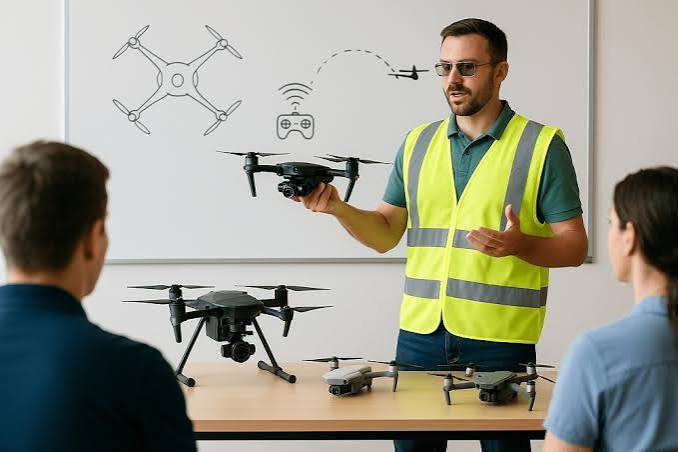





For many adult learners, technical education has to fit into real life. It may begin at a workbench, a table or a dedicated corner at home, where study time can fit around work, family and daily responsibilities. People researching Sonoran Desert Institute reviews often want to know whether online technical courses can still include practical work, guidance and a clear sense of progress. Sonoran Desert Institute (SDI), which is accredited by the Distance Education Accrediting Commission (DEAC), recognizes that focused technical coursework can be completed from home when students have structure, preparation and a guided path for assignments.
At-home learning works well when courses are designed for more than screen-based reading. Students need instructions, organized materials, and practical tasks that connect lessons to completed work. In focused technical courses, the home setting can support steady learning because students can return to assignments in manageable sessions.
Learning Where Time Is Available
Convenience is one of the clearest benefits of at-home technical learning. Many students interested in choosing one course at a time are also managing jobs, family needs, or changing schedules. Studying from home allows them to use available time more efficiently and reduce the pressure of commuting to a separate location.
This format can make participation more realistic for adults with full calendars. A learner might review instructions after work or complete a practical assignment during a scheduled block of quiet time. The setting stays familiar, and the student can plan around real responsibilities.
A Home Workspace with a Clear Purpose
At-home learning works best when students create a space that supports concentration. The workspace does not need to be elaborate, but it should allow room for materials and instructions. Having a clear area for coursework helps separate study time from other activities in the home.
This preparation supports organization. Students can keep tools, notes, and project materials in one place, which reduces confusion when they return to an assignment. A consistent workspace can help learners settle into a routine.
Structure Keeps the Course Moving
A focused course needs structure, so students know what to do next. Online learning can feel open-ended when expectations are unclear. They give learners a clear path and help them understand how each task connects to the subject being studied.
In this model, the structure serves as a guide for at-home practice. Students are not left to guess how to begin or what to submit. They follow instructions, complete assignments, and participate steadily throughout the course.
Practical Work Brings Lessons into Focus
Technical subjects often become easier to understand when students apply what they are studying. Practical assignments give learners a chance to move from reading or viewing material to doing the work themselves. This shift turns instruction into a task that can be completed and reviewed.
At home, this practical work can become part of a regular learning routine. Students can revisit the instructions, check their setup, and work through each step carefully. Completing a task in their own space can help them become more independent.
Instructor Guidance Adds Direction
At-home learning does not mean learning without support. Instructor guidance gives students feedback and direction as they complete assignments. This connection helps learners understand where their work meets expectations and where adjustments may be needed.
Feedback also helps maintain focus. When students know their work is reviewed, they may take more care in following instructions and documenting results. Instructor input can turn a completed assignment into a learning moment by helping students see details they may have missed.
Preparation Reduces Friction
Preparation is a major part of a smooth, at-home course experience. Students benefit from reviewing the schedule, checking materials, and setting aside time before assignments begin. These steps can reduce stress because learners know what is expected of them.
Course materials and tools play an important role when practical work is completed from home. When students have access to the items needed for assignments, they can focus more on the learning process and less on outside logistics. Good preparation helps the course feel organized.
Progress Through Smaller Sessions
Focused technical courses often fit well into shorter study sessions. Instead of waiting for a long block of free time, learners can make progress through repeated, planned sessions. This approach suits adults who need education while working around busy schedules.
Smaller sessions can support retention by allowing students to return to the material regularly. Each session gives them another chance to review instructions or continue a project.
Documentation Supports Accountability
Many practical assignments require students to record their work through photos, videos, or project notes. This documentation helps learners show what they completed and how they approached the task. It creates a record that can be reviewed later.
At home, documentation becomes part of the workflow. Students can capture each stage, organize files, and compare earlier work with later assignments. This process encourages care because the work is not only being completed, but also preserved as part of the learning record.
Convenience Without Losing Standards
Convenience should not mean a course lacks seriousness. At-home technical learning works when the flexible setting is paired with clear expectations. Assignments, instructor review, and required documentation help maintain academic structure while allowing learners to work from their own environment.
This balance is important for people comparing online options. They want flexibility, but they also want real participation. For those reading Sonoran Desert Institute reviews, home-based study and practical assignments can clarify how focused technical learning functions outside a classroom.
A Practical Fit for Focused Courses
At-home learning works well for focused technical courses because it gives students a practical way to study one subject while managing real-life responsibilities. The format offers convenience, but it also requires preparation, organization, and consistent participation. With a clear workspace, guided assignments, and instructor feedback, the home setting can become a place to complete meaningful technical work.
This approach suits students with a specific goal. They can prepare their space, follow the course structure, and complete assignments in a schedule that works for them. By combining convenience with guided practical work, learners have a pathway to build skills from home while keeping their progress connected to visible, completed tasks.
 Carol Brown