
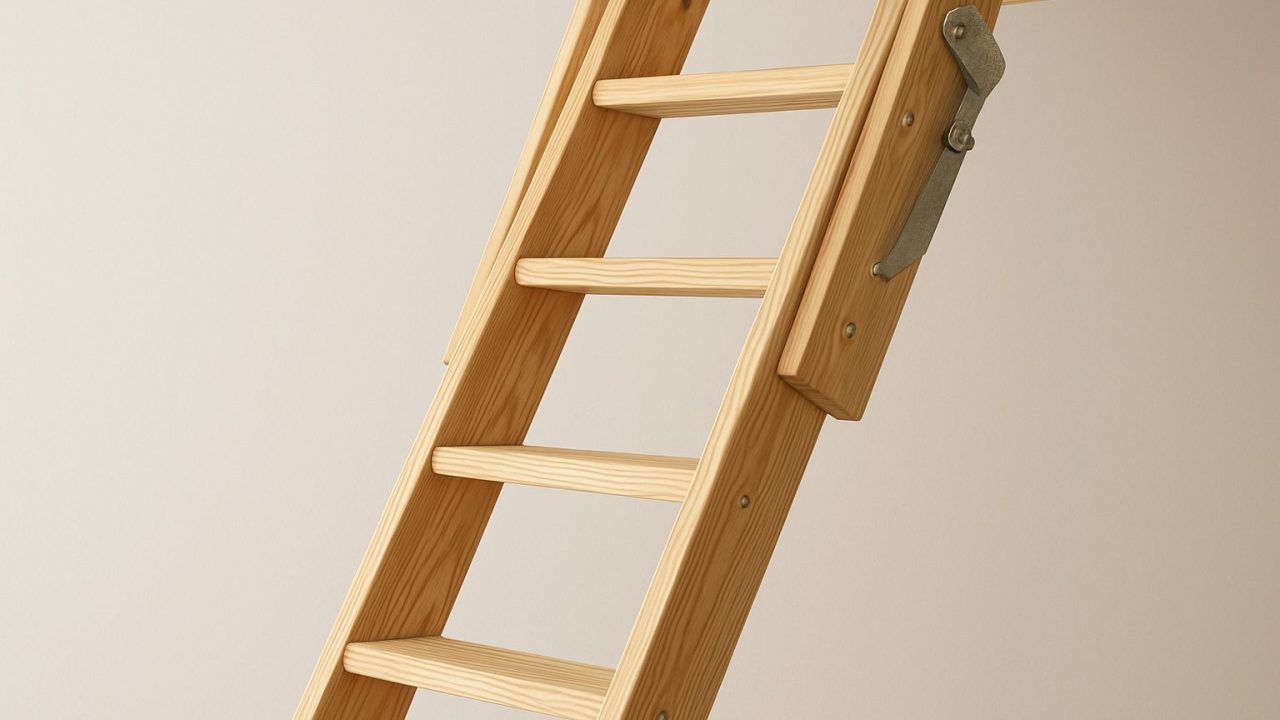





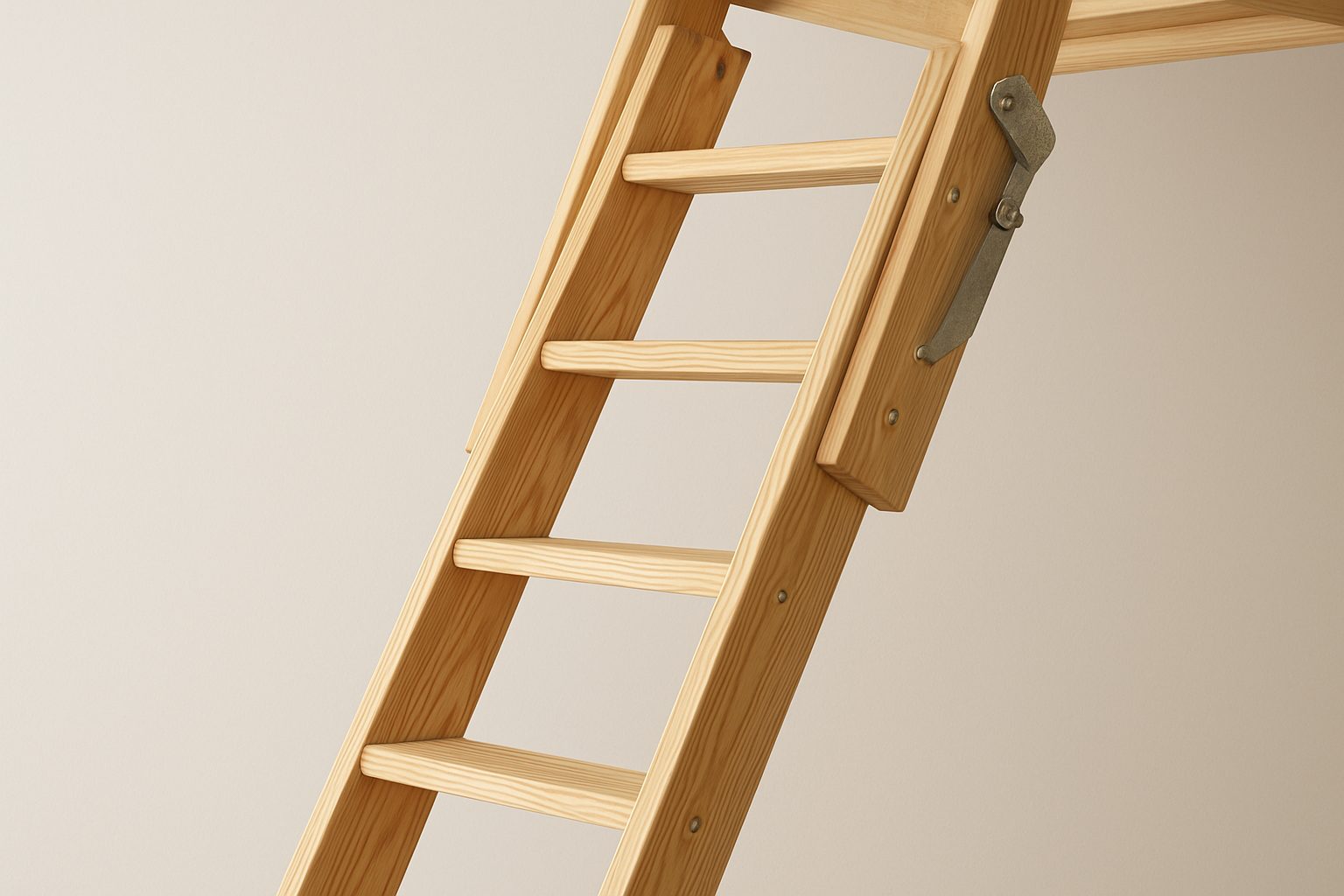
Buying a loft ladder for the first time—or replacing one after a decade—raises the same cluster of questions. This guide answers all of them in one place.
Where to Start: Define Your Requirements Before Comparing Products
Effective purchasing starts with a clear brief. Before looking at any product, establish:
The exact hatch opening dimensions (width x length)
The floor-to-ceiling height in the room below the hatch
The frequency of intended use (daily, weekly, occasional)
The primary purpose of loft access (storage, habitable room, occasional retrieval)
The visual requirement (must integrate with interior décor, or purely functional)
These five parameters narrow the field significantly before price or brand enters the decision.
Wooden vs Aluminium: A Quick Reference Summary
Criteria
Wooden
Aluminium
Aesthetics
High
Moderate
Durability
20–30 years (hardwood)
15–20 years
Maintenance
Low-moderate
Very low
Load capacity
Up to 200kg (hardwood)
Up to 200kg
Insulation potential
High
Moderate
Environmental impact
Low (certified timber)
Variable
Best for
Residential, frequent use
Utilitarian, humid environments
A wooden loft ladder is the stronger choice for most residential applications where visual integration and daily comfort matter. Aluminium is the better option for high-humidity environments or where minimal maintenance is the primary concern.
What to Check Before Finalizing a Purchase
Safety and certification:
BS EN 14975:2006 compliance confirmed in writing
Load capacity rated to minimum 150kg
Anti-slip tread surfaces present
Dimensions:
Tread width minimum 300mm (350mm+ preferred)
Tread depth minimum 60mm (80mm+ preferred)
Pitch angle between 60° and 75°
Extended length matches floor-to-hatch-opening height
Energy performance:
Insulated hatch panel included (or available as an upgrade)
U-value of 0.50 W/m²K or below
Draught-proofing strip around hatch perimeter
Installation:
Frame included in the purchase price (not sold separately)
Instructions include hatch opening size requirements
Professional installation recommended for wooden models
Frequently Asked Questions for First-Time Buyers
How do I know if my floor joists can support a loft ladder frame?
A structural engineer or experienced builder can assess joist load capacity. In most cases, standard UK floor construction supports loft ladder installation without modification. Non-standard or older properties may require additional support.
Can a loft ladder be fitted without enlarging the existing hatch?
Only if the existing hatch meets the minimum dimensions required by the product. Many older UK properties have hatch openings smaller than 562mm x 726mm, which may require enlargement before a standard unit can be installed.
What is the difference between a concertina and a sliding loft ladder?
Concertina ladders fold in accordion-style sections and are compact when closed. Sliding ladders extend telescopically and tend to offer a more rigid climbing surface. Wooden models are more commonly available in sliding or straight configurations; concertina designs are predominantly aluminium.
Does a loft ladder installation require planning permission?
In most cases, no. Fitting a loft ladder is considered a permitted development activity. However, if the installation involves structural alterations to the floor or ceiling, a building notice may be required. Check with your local authority if uncertain.
What is the best way to compare products across different price points?
Use the criteria above as a scoring framework. A product that meets all safety, dimensional, and insulation criteria at a lower price is objectively better value than a premium-priced product that compromises on any of these fundamentals.
One Final Recommendation
Do not buy on price alone. The loft ladder installed in your home today will be used thousands of times over the next two decades. A £50 saving at the point of purchase is insignificant against the cumulative cost of early replacement, inadequate thermal performance, or—most importantly—a safety incident caused by a substandard product.
 Carol Brown