






Introduction
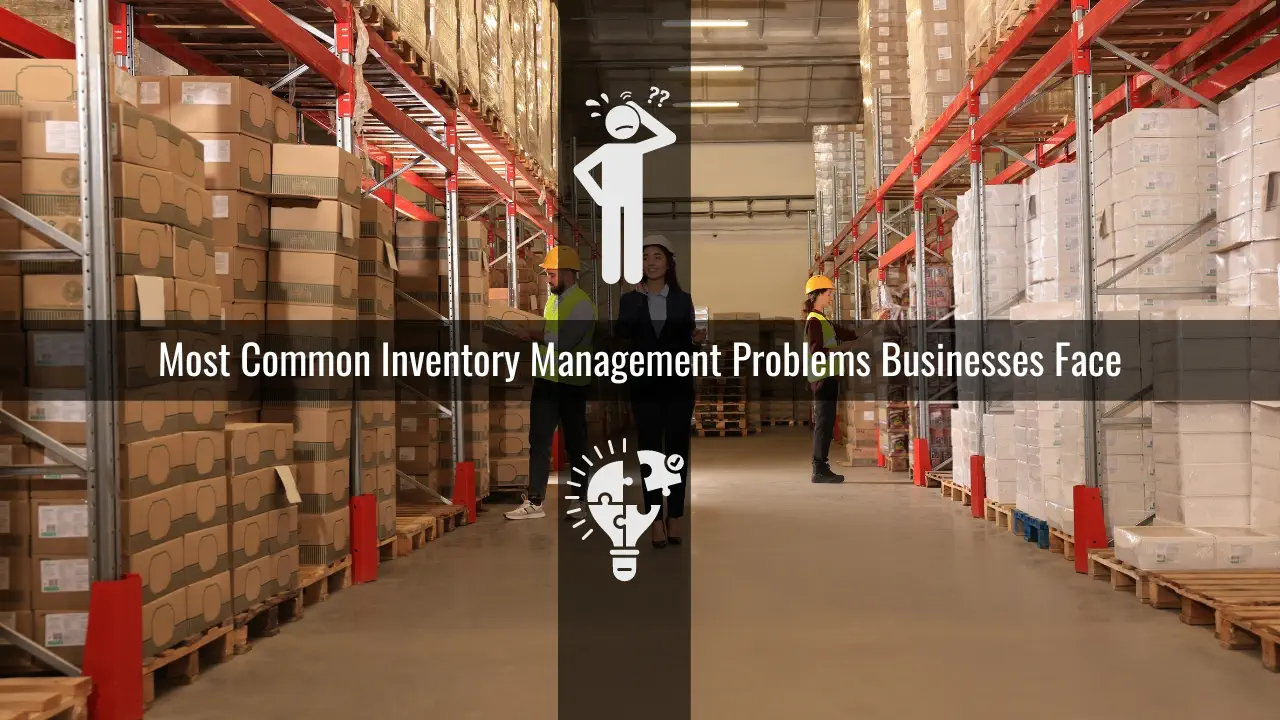
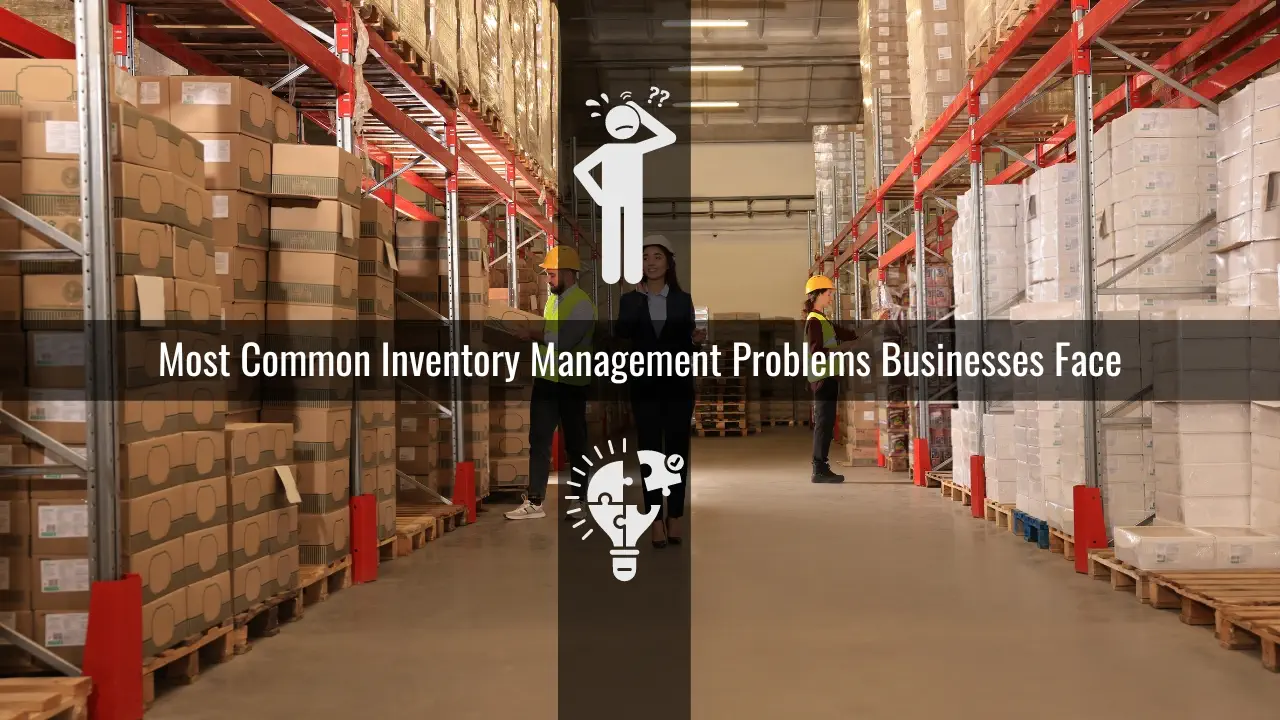
Wholesale businesses operate in a fast-moving environment where inventory accuracy and product availability directly impact customer satisfaction and profitability. Managing thousands of products, coordinating with suppliers, and handling large order volumes can create several operational challenges. Without an effective inventory management strategy, wholesalers may experience delays, losses, and reduced efficiency.
Here, we have provided some of the most common inventory management challenges wholesale businesses face and how they affect daily operations.
Top 5 Challenges of Inventory Management
1. Difficulty Maintaining Accurate Stock Levels
Keeping inventory records accurate is one of the biggest concerns for wholesale companies. Large warehouses and frequent stock movement can make tracking difficult.
Common Causes
Manual inventory updates
Human errors during stock entry can create inaccurate inventory records.
Lack of real-time tracking
Delayed updates often result in incorrect stock availability information.
Multiple storage locations
Managing products across different warehouses increases the chances of stock mismatches.
Impact on Business
Inaccurate stock levels may lead to overselling, delayed deliveries, and customer complaints.
2. Overstocking Products
Wholesale businesses often purchase products in bulk to reduce costs. However, excessive inventory can create financial and operational pressure.
Problems Caused by Overstocking
Higher storage expenses
Extra inventory requires more warehouse space and handling costs.
Risk of dead stock
Slow-moving products may become outdated.
Cash flow limitations
Money tied up in excess inventory reduces business flexibility.
Why It Happens
Poor demand forecasting and overestimating customer demand are major reasons for overstocking.
3. Frequent Stock Shortages
Running out of products can damage customer relationships and reduce sales opportunities.
Main Reasons for Stock-outs
Unexpected demand increases
Sudden spikes in orders can quickly deplete inventory.
Supplier delays
Late deliveries disrupt replenishment schedules.
Poor inventory planning
Businesses may underestimate future demand.
Business Consequences
Stock shortages can lead to lost revenue and reduced customer trust, especially when buyers rely on timely wholesale supply.
4. Inefficient Warehouse Management
Warehouse organization directly affects inventory accuracy and order fulfillment speed. Poorly managed warehouses slow down operations and increase mistakes.
Common Warehouse Issues
Products stored in the wrong locations
Employees waste time searching for items.
Crowded storage areas
Limited space reduces work-flow efficiency.
Poor labelling systems
Incorrect label can lead to shipping errors.
Operational Effects
Inefficient warehouses increase labor costs, delay shipments, and reduce productivity.
5. Challenges in Demand Forecasting
Predicting customer demand is difficult in wholesale businesses because buying patterns often change quickly.
Factors That Affect Forecasting
Seasonal demand fluctuations
Certain products sell more during specific times of the year.
Changing market trends
Consumer preferences can shift unexpectedly.
Incomplete sales data
Limited historical information reduces forecasting accuracy.
Resulting Problems
Poor forecasting can create both overstocking and under-stocking issues, affecting profitability.
Conclusion
Inventory management is a critical part of wholesale business success. Challenges such as inaccurate stock tracking, overstocking, warehouse inefficiencies, and supply chain disruptions can negatively affect both operations and customer satisfaction. By improving forecasting methods, automating inventory tracking, and optimizing warehouse processes, wholesale businesses can reduce errors, improve efficiency, and maintain better control over their inventory systems.