

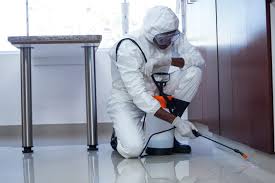
Pest infestations are not only a nuisance but also a significant health risk. According to recent statistics, over 45% of households report some form of pest problem annually, ranging from rodents to insects. These intrusions can lead to property damage, contamination of food supplies, and the spread of diseases. Engaging a Pest control company (除蟲公司) ensures that these threats are addressed efficiently, minimizing risks while using safe and targeted methods.
What Are the Most Common Pests in Homes Today?
Data from urban and suburban studies highlight that the most frequent household pests include:
- Rodents: Mice and rats remain the top invaders in 2026, affecting nearly 30% of homes in metropolitan areas.
- Cockroaches: Responsible for allergic reactions in many residents, cockroaches are detected in approximately 20% of urban households.
- Ants: Although smaller, ants can form large colonies and contaminate food supplies, with infestations reported in 18% of households.
- Termites: Structural damage caused by termites is a growing concern, with losses estimated at $5 billion annually in property repairs.
These statistics underscore the importance of proactive pest management.
How Does a Professional Pest Control Service Work?
A licensed pest control company typically follows a three-step process:
- Inspection: Technicians assess the property to identify pest activity and potential entry points.
- Treatment Plan: Customized solutions are developed based on the type of pest, level of infestation, and environmental considerations.
- Monitoring & Follow-Up: Regular inspections ensure that treatments remain effective and prevent re-infestation.
Advanced pest control solutions increasingly incorporate data-driven strategies, including smart sensors and environmentally safe chemicals, to improve efficiency and minimize hazards.
Why DIY Methods Are Often Ineffective
Statistics indicate that over 60% of DIY pest control attempts fail to completely eradicate infestations. Common challenges include:
- Incorrect application of pesticides leading to partial elimination
- Failure to address the source of infestation
- Potential harm to pets, children, or plants
By relying on professional expertise, homeowners can achieve faster, safer, and more sustainable results.
What Are the Health Risks Associated with Pests?
Pests are not merely a structural problem—they pose direct threats to human health. Examples include:
- Rodents: Can transmit hantavirus, leptospirosis, and salmonella.
- Cockroaches: Known to trigger asthma and allergic reactions in sensitive individuals.
- Mosquitoes: Carriers of dengue, Zika, and other viral infections.
Regular preventive treatments can significantly reduce these risks, protecting both households and workplaces.
How to Choose the Right Pest Control Company?
Selecting a reliable service provider is crucial for achieving long-term results. Key factors to consider include:
- Licensing and Certification: Ensures compliance with health and safety standards.
- Experience and Specialization: Companies focusing on specific pest types often deliver better outcomes.
- Eco-Friendly Practices: Sustainable methods minimize environmental impact.
- Transparent Pricing: Clear cost structures prevent unexpected charges.
Customer reviews and case studies provide additional insight into the effectiveness of the company’s interventions.
Conclusion
In 2026, pest management is not just a reactive solution—it is a preventive strategy supported by data and professional expertise. The risks of neglecting infestations extend beyond mere inconvenience to substantial health and financial implications. By engaging a certified Pest control company, households and businesses can protect their properties, reduce health hazards, and maintain a clean, safe environment.