





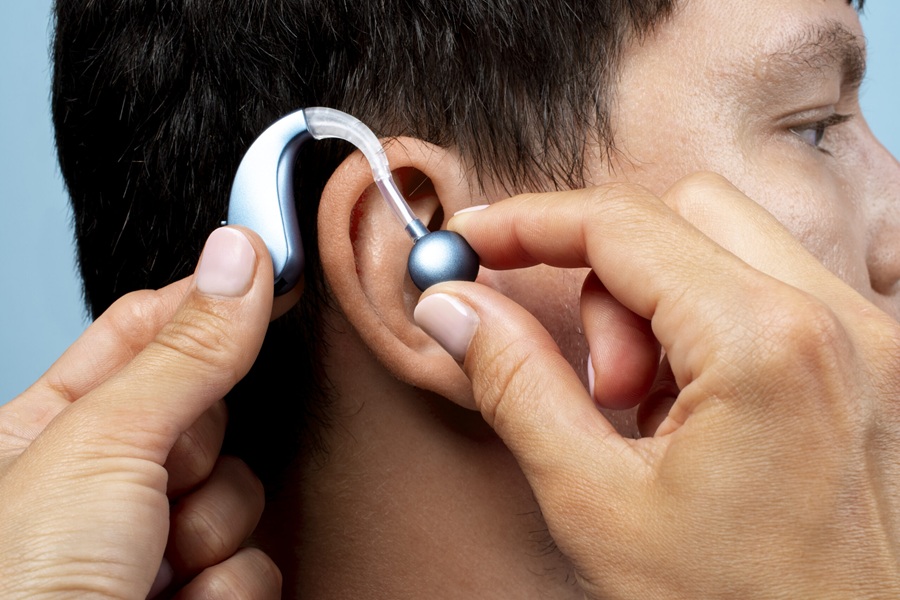
Choosing the best hearing aid involves more than selecting a device that amplifies sound. Modern hearing aids are advanced digital systems designed to improve clarity, comfort, and communication in a wide variety of listening environments. As technology continues to evolve, several key features have emerged that help define what many patients and audiologists consider the best hearing aid for daily use.
One of the most important features is advanced sound processing. The best hearing aid models use multi-core processors and intelligent algorithms to distinguish speech from background noise. Instead of simply making everything louder, the device enhances relevant sounds—such as voices—while reducing environmental distractions like traffic, wind, or crowd noise. This improves conversational clarity, especially in loud or unpredictable settings.
Adaptive directional microphones are another essential feature. These microphones continually adjust their focus based on the user’s environment, honing in on the direction of speech and minimizing unwanted noise. This technology is particularly beneficial in restaurants, meetings, or outdoor gatherings where traditional amplification would struggle. Directionality has become a defining benchmark for selecting the best hearing aid for people with active, social lifestyles.
Connectivity is also a major factor. Bluetooth-enabled hearing aids allow users to stream phone calls, music, podcasts, and television audio directly to their devices, turning the hearing aid into a personalized audio system. This seamless integration enhances convenience and makes communication more natural. Some models connect to smartphone apps that users can customize for volume, sound profile, and environmental settings, offering greater control and flexibility.
Rechargeability has become another standard feature in the search for the best hearing aid. Modern lithium-ion rechargeable batteries eliminate the hassle of frequent battery changes and provide all-day power on a single charge. This is particularly helpful for users with limited dexterity or busy schedules. The reliability of rechargeable systems makes them an attractive choice for long-term, maintenance-friendly use.
Artificial intelligence is emerging as a major differentiator in hearing aid technology. AI-enabled devices learn from the user’s listening patterns and automatically adjust settings in real time. This creates a personalized hearing experience that improves with continued use. Some AI systems can identify unique acoustic signatures of specific environments, such as a favorite restaurant or workplace, and optimize sound processing accordingly.
Comfort and durability also contribute to what is considered the best hearing aid. Devices must be lightweight, discreet, and able to withstand daily wear. Water-resistant and dust-resistant materials extend the lifespan of the device, while ergonomic designs ensure a secure, comfortable fit for extended use. The best hearing aid options combine performance with physical ease, ensuring that users can wear them confidently throughout the day.
Ultimately, the best hearing aid is defined by a combination of advanced sound processing, smart connectivity, adaptive features, and user-centered design. As technology continues to improve, hearing aids are becoming more intuitive, powerful, and personalized, helping users communicate more confidently in every aspect of life.
 Michael Thompson