






When it comes to marine access equipment, selecting the correct material can make all the difference in performance, safety, and longevity. Ships ladders are exposed to some of the harshest working conditions—salt air, humidity, and constant vibration—all of which can quickly degrade poorly chosen materials. That’s why designers and shipbuilders place such strong emphasis on selecting metals and composites that balance weight, strength, and resistance to corrosion. In the middle of this discussion, custom ships ladders offer the flexibility to tailor materials precisely to a vessel’s operational demands.
Aluminum: Lightweight and Corrosion-Resistant
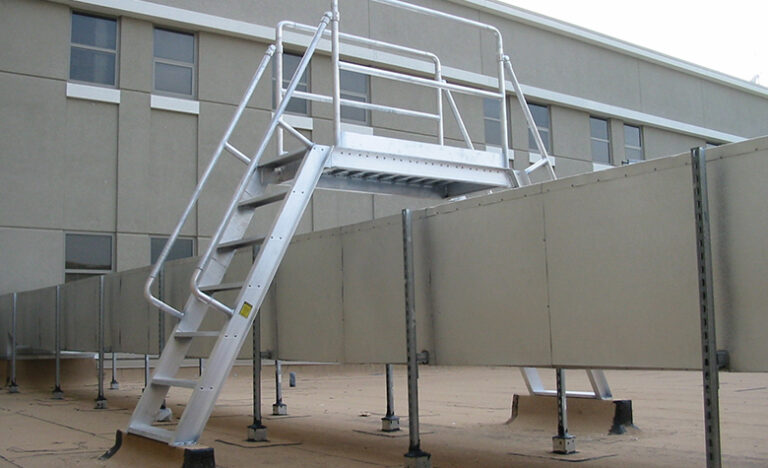
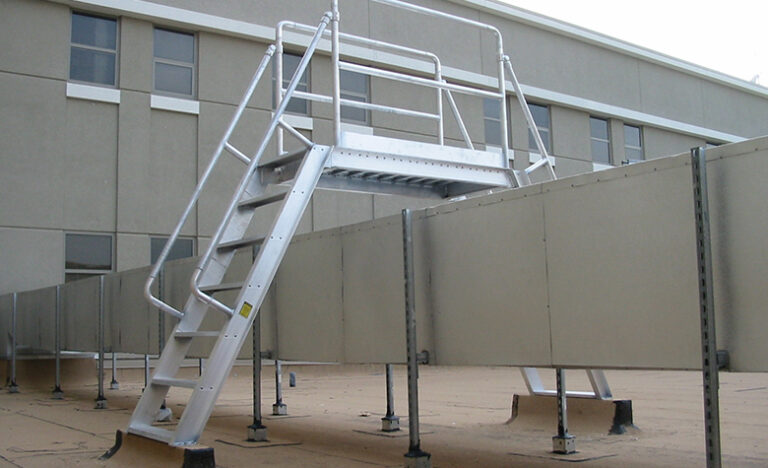
Aluminum remains one of the most popular materials for custom ladder construction, particularly in smaller vessels, yachts, and offshore platforms. Its main advantage lies in its exceptional strength-to-weight ratio—light enough for easy handling and installation, yet durable enough to withstand years of use. Aluminum also forms a natural oxide layer that resists corrosion, making it well-suited for saltwater environments. Marine-grade alloys such as 6061-T6 or 5052 are frequently used, offering enhanced protection against pitting and oxidation. Additionally, aluminum ladders can be anodized or powder-coated for aesthetic and protective purposes, extending their lifespan with minimal maintenance.
Steel: Strength and Stability Under Heavy Loads
For industrial or military vessels where load-bearing strength is a top priority, steel remains the material of choice. Carbon steel provides rigidity and stability, ideal for permanent installations in machinery spaces or cargo holds. However, it does require protective coatings such as galvanization or epoxy paint to prevent rusting. Stainless steel, particularly grades like 316, offers excellent corrosion resistance and long-term durability, making it suitable for exposed deck areas. Although heavier than aluminum, steel ladders excel in applications where vibration resistance, rigidity, and impact strength are critical.
Composite Materials: Innovation at Sea
In recent years, fiberglass-reinforced plastic (FRP) and other composite materials have begun to make an impact in ship ladder design. These materials are non-conductive, lightweight, and highly resistant to corrosion. They are especially useful on vessels requiring electrical isolation or in chemical tanker environments where contact with corrosive substances is a concern. While composites can be more expensive initially, their low maintenance requirements and long service life often justify the investment.
Balancing Material Choice with Application
Ultimately, the choice of material depends on several factors: the ladder’s intended location, frequency of use, weight restrictions, and the surrounding environment. A vessel operating in tropical saltwater will demand a different specification than one working in freshwater or inland conditions. The flexibility of custom fabrication allows shipbuilders to combine materials—such as aluminum steps with stainless-steel fittings—to achieve the optimal balance of performance and protection.
Choosing the right materials for custom ships ladders isn’t just a matter of engineering; it’s a matter of safety and longevity. By understanding the advantages of aluminum, steel, and composite options, designers and operators can ensure that every ladder installed at sea is built to last—and built for the job.