


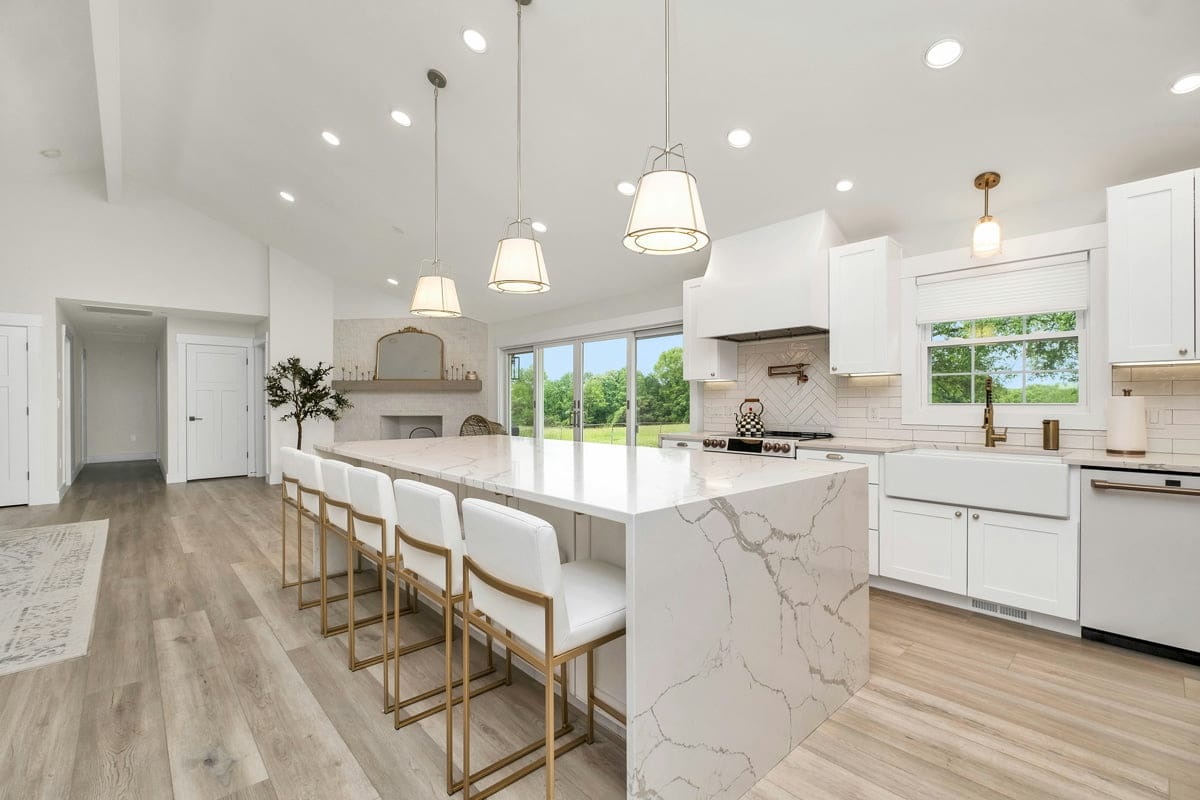
When designing or remodeling a kitchen or bathroom, homeowners often focus on color and finish—but countertop thickness plays just as crucial a role in both style and function. Choosing between 2cm or 3cm quartz can influence everything from installation cost to long-term durability. For California homeowners, where craftsmanship and modern aesthetics go hand in hand, understanding this difference is key to creating a lasting and beautiful surface.
Quartz, a premium engineered stone, offers unmatched strength and elegance. Available primarily in 2-centimeter (¾ inch) and 3-centimeter (1¼ inch) thicknesses, it suits a range of applications and budgets. Selecting the right one depends on your cabinetry, design goals, and lifestyle.
Understanding Quartz and Its Composition
Quartz countertops are made from about 90% crushed natural quartz combined with resins and pigments. This composition results in a surface that’s nonporous, scratch-resistant, and easy to maintain. Unlike granite or marble, quartz doesn’t require sealing, making it ideal for busy California households.
Thickness doesn’t affect the stone’s basic properties, but it does impact weight, edge design, and installation requirements. That’s why deciding between 2cm and 3cm quartz is more than just a design choice—it’s a structural consideration.
2cm Quartz: Sleek and Lightweight
2cm quartz is often favored for its modern, minimalist appeal. Its thinner profile pairs perfectly with European-style cabinetry and floating countertop designs that prioritize clean lines.
Advantages of 2cm quartz:
- Sleek and contemporary aesthetic
- Lighter weight, making it easier to handle and install
- Slightly lower material cost
- Ideal for vertical applications such as backsplashes, wall cladding, or shower surrounds
However, 2cm slabs require added structural support, such as plywood or reinforced cabinetry, to prevent flexing. When properly installed, they offer excellent durability but are less forgiving to impact compared to thicker options.
For smaller kitchens or bathrooms, 2cm quartz creates a light, airy look that complements California’s bright, open spaces.
3cm Quartz: Durable and Substantial
3cm quartz is the preferred choice for most California homes due to its strength and luxurious appearance. Its thicker edge profile conveys craftsmanship and permanence, making it a favorite among designers.
Advantages of 3cm quartz:
- Greater structural integrity—no additional plywood support required
- More options for decorative edge profiles
- Excellent durability and resistance to chipping
- Timeless, high-end aesthetic
The added thickness makes installation easier for fabricators and provides more flexibility for cutouts and overhangs. For large kitchens or islands, 3cm quartz offers visual balance and a sense of solid luxury.
Comparing 2cm and 3cm Quartz
| Feature | 2cm Quartz | 3cm Quartz |
| Thickness | ¾ inch | 1¼ inch |
| Weight | Lighter | Heavier |
| Support Needed | Yes | No |
| Durability | Strong with reinforcement | Very strong |
| Cost | Slightly lower | Slightly higher |
| Style | Sleek and modern | Bold and substantial |
Both options perform beautifully under daily use. The right choice depends on whether you prioritize a refined, minimalist aesthetic or a classic, robust design.
Design Considerations for California Homes
California’s design culture emphasizes natural light, open spaces, and sustainability. The thickness of your quartz can influence these qualities.
- For modern interiors, 2cm quartz enhances a minimalist, streamlined appearance. It pairs well with flat-panel cabinetry and matte finishes.
- For traditional or transitional styles, 3cm quartz adds visual weight that anchors the room, especially when paired with rich wood tones or contrasting cabinetry.
- For outdoor kitchens, 3cm quartz is better suited due to its strength and ability to withstand temperature fluctuations.
Homeowners who love waterfall islands or bold edge designs often lean toward 3cm quartz for its seamless, sculptural appeal.
Installation Requirements
Proper installation is essential for long-term performance. Because 2cm slabs are thinner, installers typically use a plywood substrate to provide additional support. This step ensures even weight distribution and prevents cracking over time.
3cm quartz, being thicker and self-supporting, simplifies installation—no underlayment required. However, its added weight demands precise handling and secure cabinetry anchoring.
Working with skilled Quartz Countertops Thickness Options professionals ensures your slabs are measured, cut, and mounted correctly. They’ll also help determine the right edge style—such as beveled, ogee, or waterfall—for your design vision.
Edge Profiles and Style Options
Edge design plays a major role in how quartz countertops complement your home.
- Eased edges offer clean simplicity for modern designs.
- Beveled edges add subtle detail and depth.
- Ogee or bullnose edges convey traditional elegance.
- Mitered edges give the illusion of extra thickness for waterfall applications.
Thicker slabs allow for more complex edges, while thinner options create a sleek, understated effect. California designers often blend both styles within one home—for example, using 3cm quartz in the kitchen and 2cm quartz in bathroom vanities.
Maintenance and Durability
Quartz requires very little maintenance regardless of thickness. It resists staining, scratching, and moisture penetration. Routine cleaning with mild soap and water keeps it looking pristine.
For busy families and entertainers, this low-maintenance quality is invaluable. Even in high-use areas like Sacramento kitchens, quartz remains one of the most durable materials available.
Cost and Long-Term Value
While 3cm quartz costs slightly more, many homeowners find the added durability and aesthetic payoff worth the investment. The average installed cost in California ranges from $70 to $150 per square foot, depending on brand and design complexity.
Choosing the right thickness can also enhance resale value. Homebuyers often associate thicker countertops with higher-end design, while thinner slabs appeal to those seeking modern minimalism.
Real-Life Example
A homeowner in Walnut Creek remodeled their kitchen using 3cm quartz for the island and 2cm quartz for the backsplash and open shelving. The result balanced boldness and elegance—the thicker island served as a statement centerpiece, while the thinner surfaces created continuity and flow.
This strategic combination maximized visual impact without unnecessary cost, proving that mixing thicknesses can achieve both beauty and practicality.
Sustainability in Quartz Fabrication
Quartz production aligns well with California’s sustainability goals. Many manufacturers incorporate recycled materials and operate with reduced carbon footprints. Both thicknesses are environmentally responsible, as quartz’s long lifespan minimizes waste and replacement frequency.
Opting for local fabricators further supports eco-friendly remodeling by reducing transportation emissions.
Finding the Right Experts
Choosing between 2cm and 3cm quartz is easier with professional guidance. Local experts can evaluate your cabinetry, design preferences, and lifestyle to recommend the most suitable thickness.
For trusted fabricators and remodeling specialists across the United States, visit American companies. This directory connects homeowners with skilled professionals experienced in quartz installation and design.
Conclusion
Both 2cm and 3cm quartz bring elegance, durability, and value to California homes. The right choice depends on your aesthetic goals, budget, and the functionality you need.
By working with experienced professionals, homeowners can select the perfect thickness to complement their design vision—ensuring a surface that’s as practical as it is beautiful. Whether sleek and modern or bold and classic, 2cm or 3cm quartz remains one of the most versatile and timeless choices for any home.